
Why Does Food Grade Sodium Bicarbonate Cause Yellowing and Alkaline Taste in Baking and Beverages?
Food grade sodium bicarbonate (baking soda) does not inherently cause yellowing or bitter off-flavours in products. The root cause of these issues is almost always excessive dosage, uneven mixing, or an imbalance with acidic ingredients, leading to localized alkalinity and residual sodium carbonate. As long as the addition level is controlled within the gas-production requirements of the formula and dry pre-mixing is ensured, bread, biscuits, cakes, and carbonated beverages can reliably achieve desirable volume and clean taste. The technical risk is not “safety” — it’s “process control.”
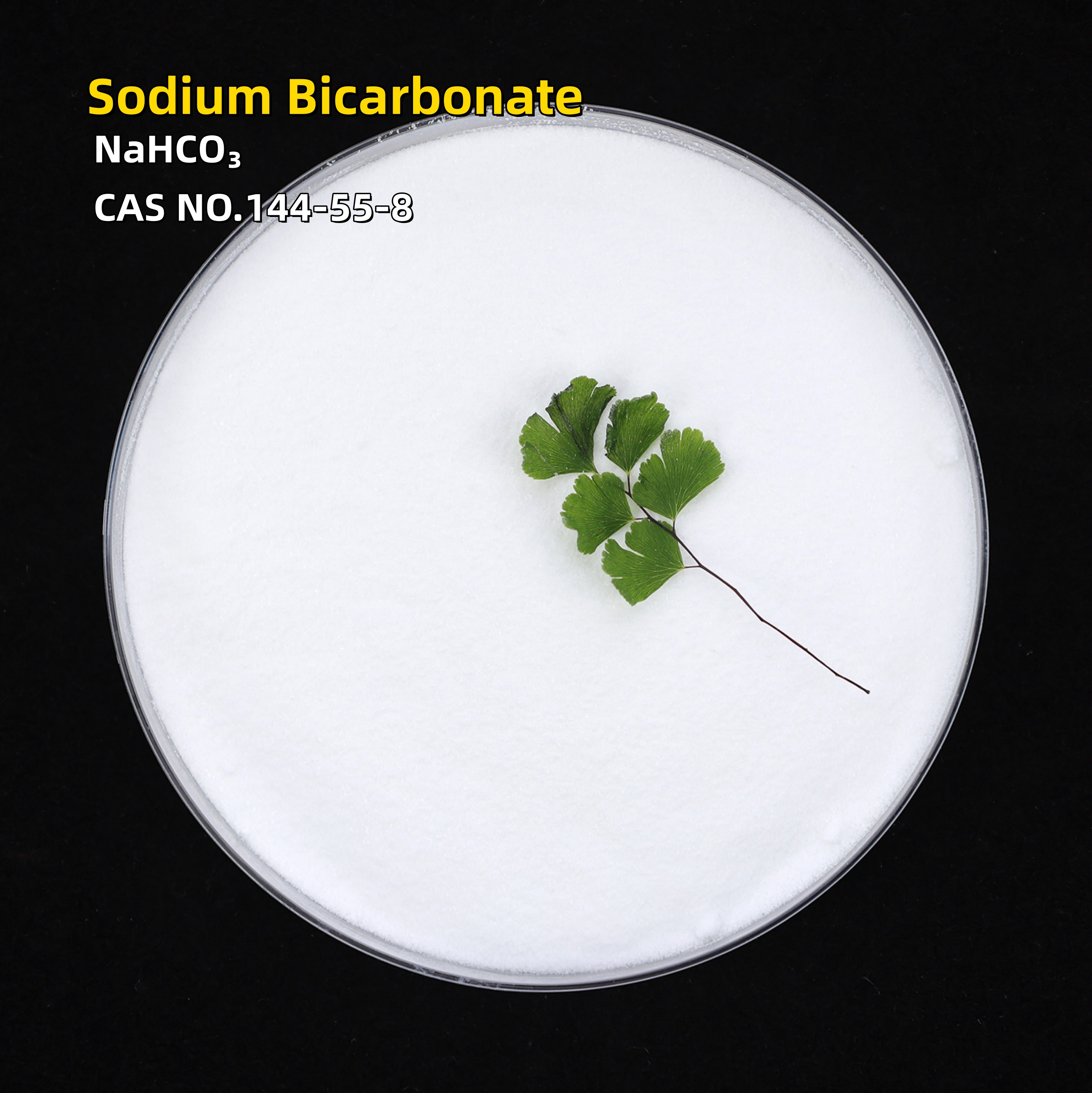
What Is It: Getting the Name and Standards Right
|
Item |
Detail |
|
Chinese Name |
Sodium Bicarbonate (Baking Soda, Sodium Hydrogen Carbonate) |
|
English Name |
Sodium Bicarbonate / Sodium Hydrogen Carbonate |
|
CAS No. |
144-55-8 (EINECS 205-633-8) |
|
Molecular Formula / Weight |
NaHCO₃ / 84.01 |
|
HS Code |
2836.30 |
|
Appearance |
White crystalline powder, odourless, slightly salty taste |
|
Solubility |
~9.6 g/100 mL (20 °C), ~16 g/100 mL (60 °C), slightly soluble in ethanol |
|
Thermal Stability |
Begins decomposing and releasing CO₂ at ~50 °C; completely decomposes to sodium carbonate at 270 °C |
|
Aqueous pH |
Weakly alkaline; 1% solution ≈ 7.5–8.5 |
|
Chinese National Standard |
GB 1886.2-2015 “National Food Safety Standard – Food Additive – Sodium Bicarbonate” (replacing GB 1887-2007) |
|
Function Category |
Leavening agent, acidity regulator (GB 2760-2024, use as needed) |
Note a frequently confused point: sodium bicarbonate ≠ sodium carbonate (washing soda), and it ≠ baking powder. Baking powder is a premix of “baking soda + acidic salt + starch”; the reaction speed is determined by the acidic salt. When using baking soda alone, the formula must include an acid source (such as cream of tartar, citric acid, phosphates, yoghurt, cocoa powder); otherwise the gas will escape during mixing, and the finished product will retain an alkaline taste.
National Standard Specifications: What to Check When Procuring
Core requirements of GB 1886.2-2015 (sensory: white crystalline powder):
|
Item |
Specification |
|
Total alkalinity (as NaHCO₃) |
99.0%–100.5% |
|
Loss on drying |
≤ 0.20% |
|
pH (10 g/L aqueous solution) |
≤ 8.5 |
|
Chlorides (as Cl) |
≤ 0.40% |
|
Whiteness |
≥ 85 |
|
Arsenic (as As) |
≤ 1.0 mg/kg |
|
Heavy metals (as Pb) |
≤ 5.0 mg/kg |
|
Ammonium salts / clarity |
Pass test |
Three items that are easily overlooked yet most prone to problems:
• pH ≤ 8.5. This indirectly reflects sodium carbonate residue — a higher pH means stronger alkalinity, which is the direct cause of yellowing in baking and astringency in beverages. When accepting deliveries, measure the 10 g/L solution directly rather than relying solely on total alkalinity.
• Whiteness ≥ 85. For white pastries, frostings, toothpaste, and powder premixes, insufficient whiteness directly affects the finished product’s appearance; low whiteness often relates to drying process and iron impurities.
• Ammonium salts pass test. Residual ammonium salts can cause off-odours and release ammonia smell at high temperatures — biscuits and wafers are particularly sensitive to this.
Food Grade, Industrial Grade, Pharmaceutical Grade: Why They Are Not Interchangeable
|
Grade |
Standard |
Key Differences |
Suitable for Food |
|
Food grade |
GB 1886.2-2015 |
Full control of arsenic, heavy metals, whiteness, ammonium salts, clarity; packaging must label “Food Additive” with SC number |
Yes |
|
Industrial grade |
GB/T 1606 |
High impurity tolerance, no food-grade safety limits |
No — prohibited |
|
Pharmaceutical grade |
Chinese Pharmacopoeia |
Focuses on microbial limits, endotoxin/injection requirements; different indicator system, higher cost |
Requires regulatory pathway |
|
Feed grade |
HG/T 3972 |
Different pH control range for animal nutrition |
Not for human food |
Common pitfall: Industrial grade is significantly cheaper, and some suppliers may promote it claiming “the purity is the same at 99%.” But purity is only the main content — the real differences lie in arsenic, lead and other safety limits, as well as traceability of the production environment. If caught in a spot inspection without SC qualification and batch-specific COA, the loss far exceeds the price difference. Additionally, if the packaging does not bear the words “Food Additive,” it cannot be legally used in food processing even if laboratory tests pass.
Four Process Variables That Affect Real-World Performance
1. Gas release timing. Baking soda begins slowly releasing CO₂ upon contact with water, and reacts rapidly with acid. Therefore, the dry powder must be pre-mixed with flour or other dry ingredients first, and water added last; allowing batter to rest too long causes gas to escape prematurely, resulting in insufficient volume. For scenarios requiring delayed gas release, use premixes containing acidic salts or slow-acting acids such as SAPP.
2. Temperature profile. Decomposition accelerates noticeably above 50 °C; the initial heating rate upon entering the oven determines whether gas can be trapped by the gluten and starch matrix. Too slow a rise causes gas loss; too fast a rise creates a crust before the interior expands. Tunnel ovens and deck ovens require separate curve adjustments — lab formulas cannot be blindly transferred.
3. Acid-base balance. Baking soda dosage must match the acid content in the formula. As a rule of thumb, approximately 1.2 times the weight of baking soda is needed to neutralize an equivalent amount of acid (varies by acid type). Insufficient acid leaves sodium carbonate residue, causing yellowing and soapy taste; excess acid causes over-gassing, coarse texture, and sourness. Cocoa powder, brown sugar, honey, and yoghurt are acid sources often underestimated.
4. Moisture and caking. It slowly decomposes and cakes in humid air; caked material weighs unevenly and disperses poorly, making it a hidden cause of batch inconsistency. Use promptly after opening; leftover material must be sealed against moisture; hoppers above the feeding point should not store material long-term.

Typical Applications & Recommended Dosage
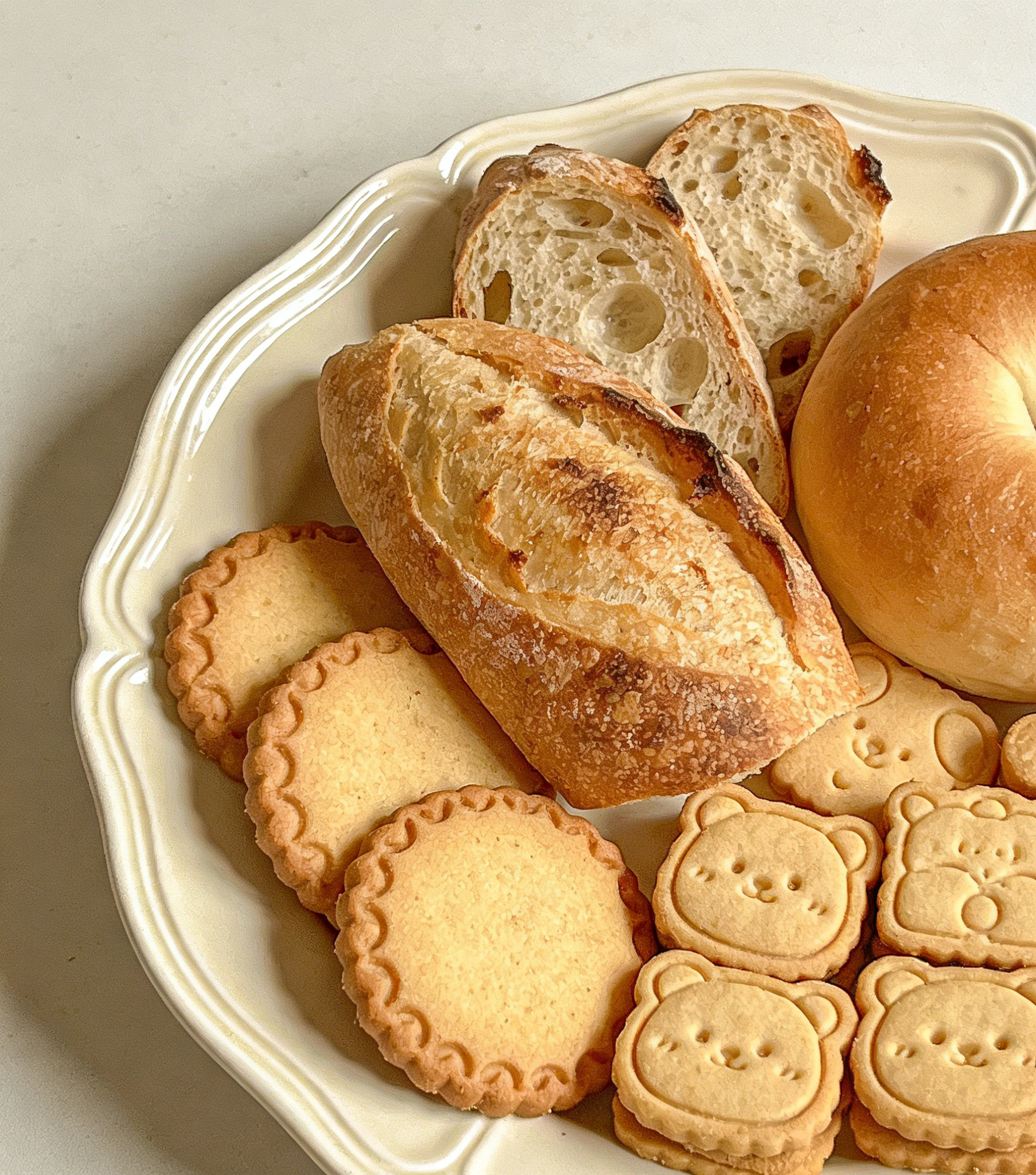
• Biscuits, wafers, shortcrust pastries: 0.3%–1.0% (based on flour weight), often compounded with ammonium bicarbonate for combined leavening and crispness.
• Cakes, bread, muffins: 0.5%–1.5%, used with cream of tartar or phosphates; chocolate/cocoa formulas may use slightly higher amounts to neutralize acidity and deepen colour.
• Chinese pastries (mantou, youtiao, fa gao): Often used with aluminum-free leavening agent premixes; note local regulations on aluminum residue limits.
• Carbonated beverages, soda water: Used as a carbon dioxide generator in combination with acid, also serving as an acidity regulator.
• Dairy products, milk powder, formulated milk: Trace amounts for acidity regulation; must be strictly controlled to avoid astringency and protein instability.
• Fruit and vegetable processing and colour preservation: 0.1%–0.2% added to washing or blanching water helps maintain green colour and texture.
• Meat products, fish paste: Small amounts for water retention and pH adjustment; excessive use affects flavour and texture.
• Non-food uses (same chemical, different labeling): Toothpaste, effervescent tablets, cleaning agents, feed buffering, water treatment neutralization — these uses can share the same chemical product, but must follow corresponding grade and labeling systems; lot numbers cannot be mixed.
Above dosages are common industry ranges; specific values should be based on target category process trials and local regulations.
Compliance & Labeling Key Points
• In China, food grade sodium bicarbonate is used as a leavening agent and acidity regulator under GB 2760-2024, with the limit “use as needed”; however, for specific categories (infant complementary foods, special dietary foods), additional checks on permitted use and claims rules are needed.
• Packaging identification should include “Food Additive Sodium Bicarbonate,” standard number, production license number (SC), net content, production date, and storage conditions.
• Export markets: EU as E500(ii), US as GRAS, FCC has a monograph; Halal, Kosher, non-GMO, and allergen declarations can typically be provided upon request but must be confirmed before ordering — they cannot be supplemented retroactively.
• Claim boundaries: It is not a “low sodium” ingredient, containing approximately 270 mg sodium per gram. When making “reduced sodium” or “no additive” claims, calculate the total formula sodium content to avoid violations.
• Storage and transport: Store in a cool, dry, well-ventilated place, sealed, separated from acids and oxidizers, protected from moisture and rain; typical shelf life 12–24 months (subject to enterprise standards and packaging format).
The specifications listed in this article are common references from public standards and literature, provided for selection purposes only. Final determination should be based on the currently effective standard text and the supplying batch’s COA.
FAQ
Q1: Are food grade sodium bicarbonate and edible baking soda the same thing?
In everyday language, they are essentially equivalent; the standardized name should be “Food Additive Sodium Bicarbonate.” Commercial small-packaging “edible baking soda” should also comply with GB 1886.2-2015. When procuring industrial raw materials, please confirm the label states “Food Additive” rather than “Industrial Use.”
Q2: Can industrial grade be used as a substitute for food grade to reduce costs?
No. The difference is not in main content but in arsenic, lead and other safety limits, production environment traceability, and labeling legality. If caught in an inspection or client audit, the cost far exceeds the savings.
Q3: What causes yellow spots and alkaline taste on biscuit surfaces?
Three common causes: (1) Excessive baking soda or insufficient acid source, leaving sodium carbonate residue; (2) Dry powder not pre-mixed uniformly, causing local concentration too high; (3) Raw material pH too high (excess sodium carbonate residue). It is recommended to first measure raw material pH and whiteness, then conduct gradient reduction trials.
Q4: Can caked material still be used?
Slightly caked material can be used after crushing, sieving, and passing re-inspection; heavily caked or long-term open-storage material, where active components may have partially decomposed to sodium carbonate, should be downgraded or discarded — do not use in products sensitive to colour and odour.
Q5: How to choose between baking powder and baking soda?
Need neutral flavour, delayed gas release, high operational tolerance → choose premixed baking powder (note aluminum residue regulations); need clean label, rapid gas release, pairing with acidic formulas → choose baking soda. Many factories use both, with each handling different stages of gas release.
Q6: What specifications can you supply?
We supply food grade sodium bicarbonate compliant with GB 1886.2-2015, standard 25 kg/bag, with ton bags and small packaging also available; COA, SC qualification, and third-party test reports provided with each shipment. For specific mesh sizes, low-dust formulations, custom leavening agent premixes, or neutral packaging, tell us your formula requirements and we will provide corresponding solutions.
Need Specification Sheets, Samples, or a Quote?
Contact us for food grade sodium bicarbonate specification sheets, COA, and samples — including mesh size options, premix ratios, and packaging formats, all customizable to your production line requirements.